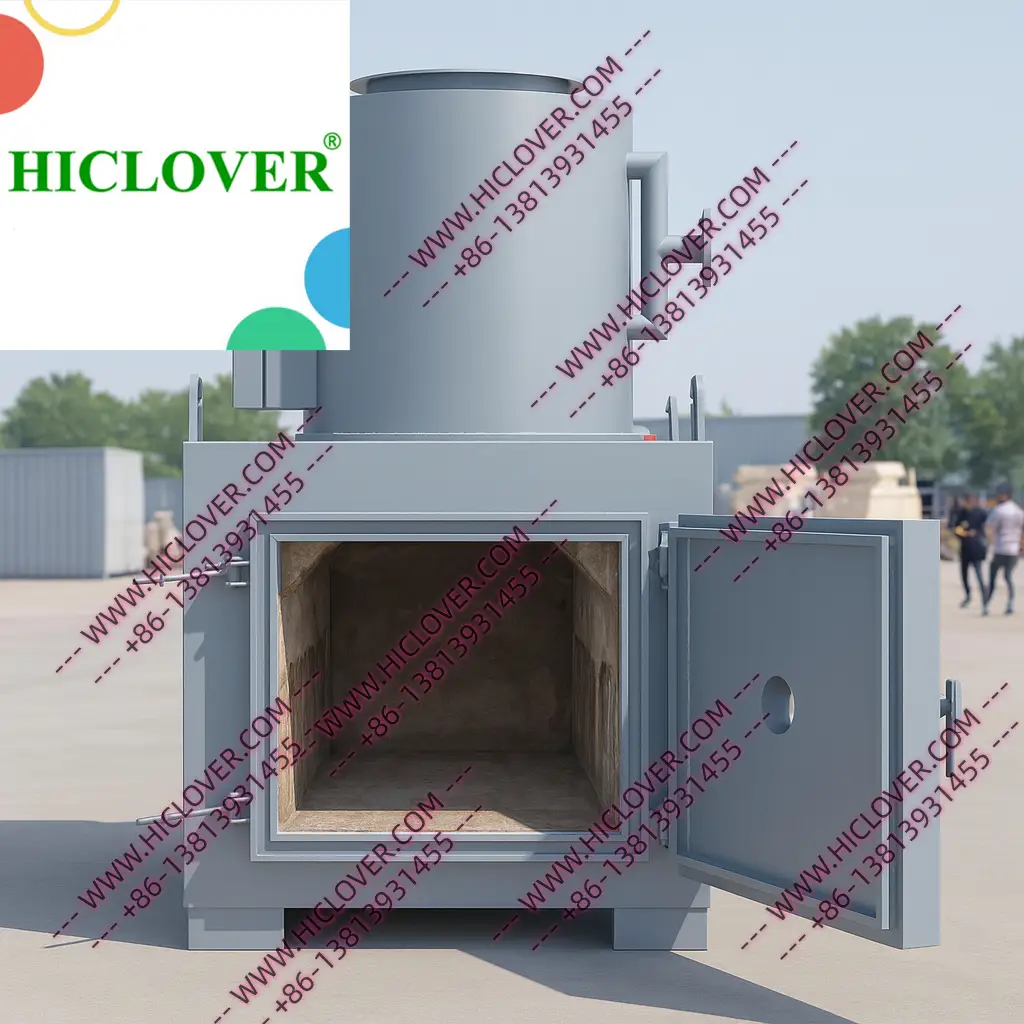
Incinerator Suppliers in Djibouti: How to Source a Reliable Waste Incinerator for Port Cities, Camps, and Critical Facilities

Incinerator Suppliers in Djibouti: How to Source a Reliable Waste Incinerator for Port Cities, Camps, and Critical Facilities

Djibouti holds a unique position in the Horn of Africa. With its international port operations, logistics hubs, military and humanitarian presence, and growing urban services, the demand for controlled waste disposal is increasing. For many projects, the challenge is not only “how to dispose of waste,” but how to do it safely, quickly, and with predictable operation in a coastal, high-temperature environment.

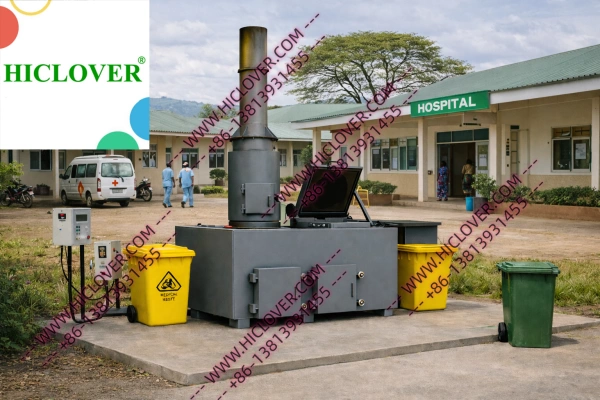
That’s why more buyers are searching for incinerator suppliers in Djibouti—looking for a proven waste incinerator solution that can support hospitals, port-related facilities, remote camps, and municipal services without complex installation requirements.

To compare market options quickly, you can search here:
https://www.google.com/search?q=incinerator+suppliers+in+Djibouti


Why Djibouti Projects Often Prefer Waste Incinerator Solutions

Djibouti’s real operating scenarios are often time-sensitive and site-limited:

  • Port areas where waste must be managed efficiently

  • Remote camps where disposal infrastructure is minimal

  • Clinics and hospitals handling infectious materials

  • Industrial and logistics compounds needing stable daily waste reduction

A modern waste incinerator provides direct on-site volume reduction and hygienic disposal, helping projects reduce transport pressure and avoid uncontrolled dumping or burning.

Key benefits include:

  • High-temperature combustion for rapid destruction

  • Reduced waste volume to simplify logistics

  • Lower odor and smoke compared with open burning

  • Safer handling of medical and hazardous waste

  • Expandable emission-control options based on compliance needs

As global attention grows around public health security, environmental responsibility, and “clean logistics” supply chains, these advantages are increasingly important for procurement decisions.


HICLOVER: Factory-Direct Incinerator Supplier for Djibouti Buyers

When searching incinerator suppliers in Djibouti, buyers often find many online offers. But the difference between a broker and a manufacturer becomes critical when it’s time to deliver performance, spare parts support, and long-term reliability.

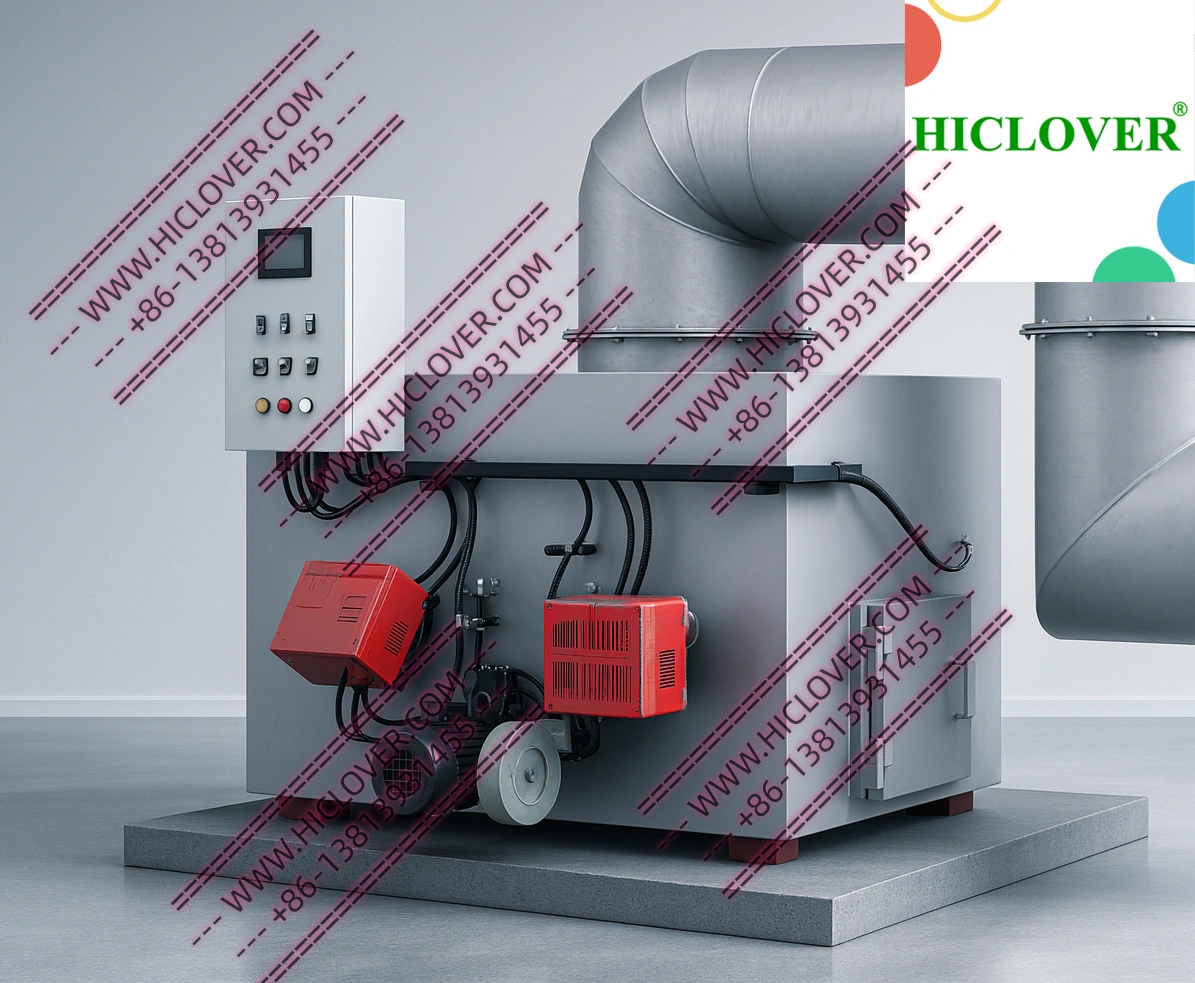
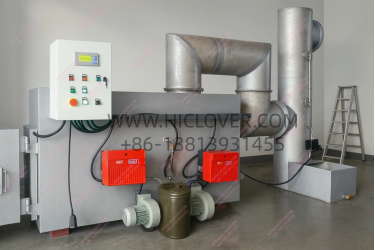
HICLOVER is a factory-based manufacturer focused on export-ready waste incinerator systems for international markets. Factory supply means you get:

  • Stable manufacturing and standardized build quality

  • Professional selection based on waste type and capacity

  • Export packaging and shipping experience

  • Clear service logic and spare parts planning

  • Mobile solutions designed for fast deployment

Official website (factory supplier):
https://www.hiclover.com/


Where Waste Incinerators Are Used in Djibouti

1) Hospitals, Clinics, and Healthcare Waste Control

Healthcare waste requires strict handling because it may contain infectious materials, sharps packaging, contaminated dressings, and plastic waste streams. A properly designed medical waste incinerator can support safer disposal with controlled high temperature.

Typical users:

  • Public hospitals

  • Private clinics

  • Medical testing labs

  • Emergency response stations

2) Port, Logistics, and Industrial Facilities

Port zones generate continuous mixed waste: packaging, food waste, textiles, and operational residues. A robust solid waste incinerator can reduce volume quickly, helping maintain hygiene and prevent waste accumulation in high-traffic areas.

Typical users:

  • Port operators

  • Warehousing and logistics hubs

  • Industrial compounds

  • Security-managed facilities

3) Camps and Remote Support Sites

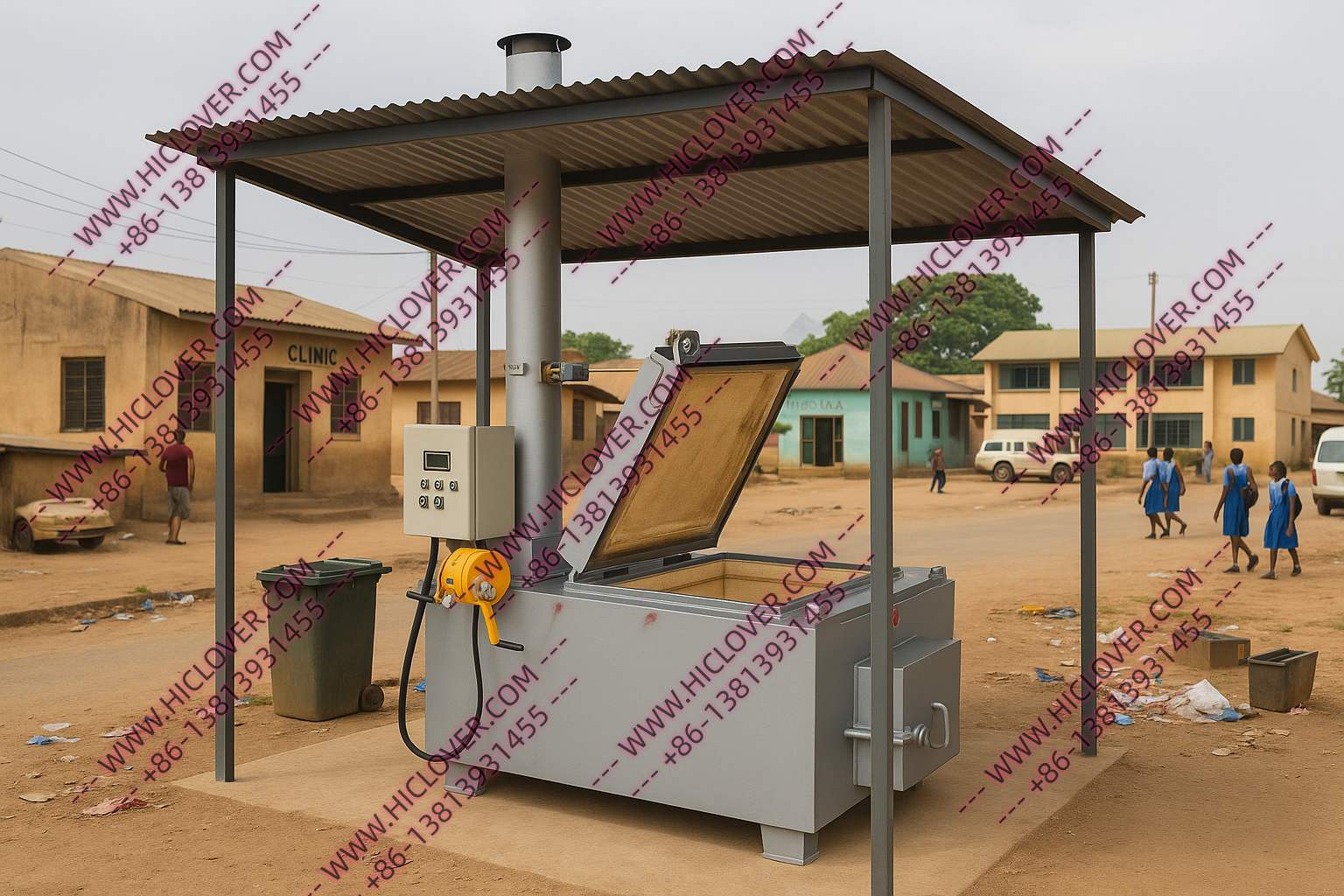
In remote or controlled zones, a fast-deployment mobile waste incinerator is often more practical than building a full disposal facility. These sites usually prioritize quick commissioning and stable operation.

Typical users:

  • Work camps

  • Temporary support camps

  • Remote infrastructure projects

  • Humanitarian facilities


Technical Features That Matter When Buying a Waste Incinerator

Dual-Chamber High-Temperature Combustion

A modern dual chamber waste incinerator is designed to increase burnout quality and reduce odor.

  • Primary chamber: direct waste incineration

  • Secondary chamber: oxidation of flue gas at higher temperature

This staged approach helps:

  • Reduce visible smoke

  • Improve destruction of organics

  • Support cleaner exhaust stability

  • Handle waste variability more reliably

PLC Automation: Lower Operator Burden, Higher Safety

In many export projects, stable operation depends on reducing human error. A PLC controlled waste incinerator supports repeatable operation by managing:

  • ignition and shutdown logic

  • temperature control cycles

  • burner interlocks and safety alarms

  • fan/draft coordination

  • system status monitoring

Automation is especially valuable for healthcare and facility operators who need daily consistency.

Modular Emission Control: Dry and Wet Options

Different Djibouti projects may require different emission-control configurations, depending on site type and procurement standards. HICLOVER provides selectable modules including:

  • Dry scrubber system (standard option): stable, practical, cost-effective

  • Wet scrubber system (optional): stronger washing capacity for more demanding conditions

  • Upgrade-ready layouts for future compliance needs

This modular strategy keeps procurement flexible while maintaining a clear upgrade path.


Plug-and-Play & Containerized Incinerators: A Strong Fit for Djibouti

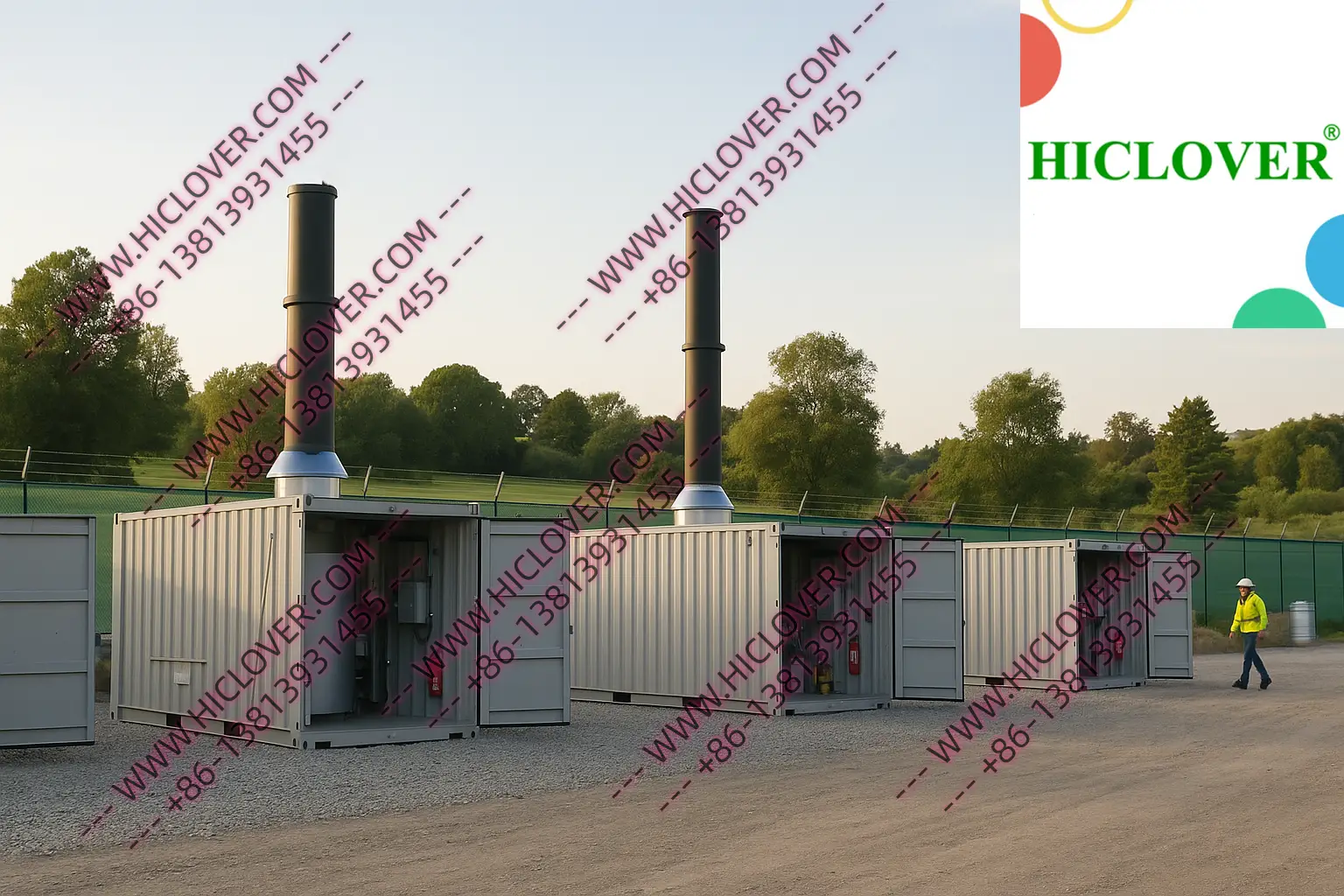
Djibouti has a natural advantage in container logistics, and this matches a growing global trend: containerized waste incinerator systems that are factory-integrated and shipped as a complete module.

HICLOVER plug-and-play solutions focus on:

  • Reduced installation time

  • Minimal site civil work

  • Faster project commissioning

  • Simplified relocation if needed

For port-adjacent projects, camps, and remote facilities, a containerized mobile incinerator can be a highly practical choice.


Factory Supply Advantage: Why It Matters for Djibouti Procurement

Choosing a factory-backed supplier is not only about buying equipment—it is about project reliability.

HICLOVER factory supply advantages include:

  • stable production control and consistent quality

  • professional matching of capacity and waste type

  • export-ready packing and documentation support

  • spare parts strategy for long-term operations

  • customization options for fuel, power, and mobility

For buyers evaluating incinerator suppliers in Djibouti, these details reduce risk and improve long-term value.


Fuel Flexibility for Coastal and Remote Operations

Fuel availability can vary by project site. HICLOVER waste incinerator systems can be configured for:

  • Diesel fuel (common for remote and standby applications)

  • Natural gas (where supply is stable)

  • LPG (practical where cylinder supply is convenient)

This flexibility helps buyers optimize operating cost and ensure continuity.


Buyer Checklist: Before Contacting Incinerator Suppliers in Djibouti

Before ordering, confirm:

  1. Waste type: medical, municipal, animal, mixed waste

  2. Target capacity: kg/h or tons/day

  3. Control requirement: manual or PLC automatic

  4. Emission module: basic, dry scrubber, wet scrubber

  5. Site conditions: space, installation limits, power stability

  6. Mobility preference: fixed, skid, trailer, containerized

A supplier who can guide these points clearly is usually the supplier who can deliver stable performance.


Conclusion: A Practical Way to Source Waste Incinerators in Djibouti

With increasing demand from port operations, healthcare services, remote camps, and municipal growth, modern waste incinerator systems are becoming essential. For buyers searching incinerator suppliers in Djibouti, the best results usually come from working directly with a factory-backed manufacturer that can provide strong engineering, automation, and deployment flexibility.

HICLOVER delivers export-ready waste incinerators with dual-chamber combustion, PLC automation, modular emission-control options, and plug-and-play mobile solutions for overseas projects.

Official website:
https://www.hiclover.com/


Résumé (Français)

Pour les acheteurs recherchant des incinerator suppliers in Djibouti, un waste incinerator fiable doit offrir une combustion haute température, une structure à double chambre, un contrôle PLC automatique et des options de traitement des fumées (sec ou humide). HICLOVER propose des solutions exportables, mobiles et modulaires, adaptées aux hôpitaux, ports, camps et sites isolés.

Resumen (Español)

Para quienes buscan incinerator suppliers in Djibouti, es importante elegir un waste incinerator con combustión de alta temperatura, doble cámara, automatización PLC y opciones modulares de control de emisiones (seco o húmedo). HICLOVER ofrece sistemas exportables, móviles y “plug-and-play” para hospitales, zonas portuarias, campamentos y proyectos remotos.

Mobile: +86-13813931455(WhatsApp)

Email:     [email protected]     
Email:     [email protected] 


2026-01-20/01:04:57

Incinerator Suppliers in Liberia: How to Choose a Reliable Waste Incinerator Partner for Long-Term Operation

Incinerator Suppliers in Liberia: How to Choose a Reliable Waste Incinerator Partner for Long-Term Operation

Liberia is accelerating its focus on public health, sanitation, and resilient infrastructure. From municipal waste pressure in growing urban areas to medical and hazardous waste generated by hospitals, clinics, and industrial facilities, the need for controlled waste disposal is becoming more urgent. For project owners, NGOs, contractors, and government stakeholders, the most practical solution is often a high-efficiency waste incinerator designed for stable combustion, safe operation, and adaptable installation.

If you are searching for incinerator suppliers in Liberia, the key is not only the equipment price—what matters is whether the supplier can deliver consistent engineering quality, scalable capacity, and reliable support for real on-site conditions.

In this guide, we outline how to evaluate an incinerator supplier for Liberia, and why HICLOVER is increasingly selected as a factory-based manufacturer for export-oriented, project-level waste incineration solutions.


Waste Incinerator Demand in Liberia: Practical Drivers and Real Challenges

In Liberia, waste management projects are often shaped by a mix of factors:

  • Fast-growing urban waste output and landfill pressure

  • Increased health-sector waste from hospitals, vaccination campaigns, laboratories, and clinics

  • International procurement requirements for safe disposal of infectious waste

  • Infrastructure and energy constraints that require flexible fuel options

  • Strong demand for equipment that is easy to ship, install, and operate

This is why a professionally engineered waste incinerator remains a preferred approach in many projects—especially when waste reduction, biosecurity, and rapid implementation are required.


What “Incinerator Suppliers in Liberia” Should Actually Deliver

Many buyers compare suppliers by brochure specs only. In real operations, the supplier’s engineering capability determines whether the system performs well for years or becomes a high-maintenance burden.

A qualified supplier should provide:

1) Dual-Chamber High-Temperature Combustion Design

A modern waste incinerator should use a primary combustion chamber for direct burning and a secondary combustion chamber to burn remaining smoke and volatile gases. This improves burn-out efficiency and supports lower visible smoke.

This design is highly suitable for:

  • Medical waste (infectious waste, contaminated disposables, sharps boxes packaging)

  • Municipal mixed waste (bagged waste, textiles, food waste fractions)

  • Industrial solid waste (non-recyclable packaging, general process waste)

  • Veterinary and animal waste disposal

2) Stable Automation for Operator Safety and Consistent Burn Quality

For Liberia projects—especially those run by hospitals, contractors, and public facilities—automation is a major advantage.

HICLOVER incinerators can be configured with:

  • PLC automatic control (optional)

  • Temperature monitoring and recorder (optional)

  • Automatic safety interlock logic for stable operation

This reduces operator dependency and makes performance more consistent even in demanding work conditions.

3) Fuel Flexibility That Matches Local Supply Reality

Fuel availability can vary by site. A reliable waste incinerator supplier should offer fuel configurations that support:

  • Diesel (standard and widely available)

  • Natural gas (where pipeline access exists)

  • LPG (good for remote sites using cylinders)

For specific projects, dual-fuel options can be evaluated to improve operational resilience.


HICLOVER: Factory-Based Waste Incinerator Manufacturer for Liberia Projects

HICLOVER is a manufacturer specializing in export-oriented waste incinerators with a proven focus on practical deployment, durability, and flexible configuration.

Our product range covers:

  • Medical waste incinerators for hospitals and clinics

  • Containerized mobile incinerators for rapid deployment

  • Top-loading incinerators for easy batch feeding

  • Automatic incinerators for stable performance and safer operation

  • Animal waste and pet cremation incinerators for veterinary and municipal use

For Liberia customers, this means you can select a system based on real capacity needs—without overcomplicating installation.

Official website: https://www.hiclover.com/


Mobile and Containerized Incinerators: Built for Fast Deployment and Remote Locations

One of the most common constraints in Liberia is site readiness—construction timelines, limited installation resources, and urgent project schedules.

That is why HICLOVER provides:

  • Containerized mobile incinerators (plug-and-use concept)

  • Modular structure for simplified deployment

  • Options for trailer-mounted or skid-base solutions where mobility matters

For NGOs, emergency projects, and remote infrastructure work, containerized solutions significantly reduce:

  • Civil work requirements

  • On-site installation time

  • Site commissioning complexity

This aligns with today’s global trend of rapid-response infrastructure and scalable public service delivery.


Emission Control Options: Choosing the Right System for Compliance and Public Acceptance

In many Liberia projects, smoke control and odor control are not “nice-to-have”—they directly impact public acceptance, operational permission, and long-term site stability.

HICLOVER can offer multiple emission-control configurations such as:

  • Dry scrubber (acid gas neutralization, simple and reliable)

  • Wet scrubber system (for dust and soluble gas removal)

  • Baghouse dust filter (for fine particulate control)

  • Activated carbon adsorption / injection (for advanced odor and micro-pollutant control)

A practical supplier should help you match the system to:

  • waste type composition

  • expected daily throughput

  • operator skills

  • local environmental expectations

  • project budget and approval requirements


How to Select the Right Waste Incinerator Capacity for Liberia

Choosing the correct capacity protects your project from two common failures:

  • Undersized equipment, leading to overload and heavy smoke

  • Oversized equipment, leading to fuel waste and incomplete burns

Typical planning categories:

  • Small clinics / health posts: low to medium capacity batch incinerators

  • District hospitals / private hospitals: medium capacity with better automation and flue-gas treatment

  • Urban sanitation or municipal projects: larger systems with optional multi-stage emission control

  • Contractors & industrial parks: scalable capacity solutions based on waste generation patterns

HICLOVER supports multiple model ranges and can recommend configurations based on your daily waste volume and waste composition.


Supplier Advantage: Why Factory Direct Matters in Liberia Procurement

When you work with a factory-based supplier instead of a trading layer, you gain:

  • More stable engineering communication

  • Clearer configuration control (what is included vs optional)

  • Faster spare parts matching

  • Better consistency in manufacturing quality

  • More accountable warranty and technical support

For Liberia projects that involve public-sector approvals, donor reporting, or NGO compliance requirements, factory documentation and detailed technical clarity are essential.


Recommended Purchasing Checklist for Liberia Buyers

When comparing incinerator suppliers in Liberia, request the following before issuing an order:

  • Incinerator chamber structure and lining specification

  • Burner brand and fuel type confirmation

  • Required chimney height and material

  • Electrical requirements and control logic overview

  • Optional emission control stages and scope boundary

  • Spare parts list and recommended maintenance plan

  • Packing method and container loading confirmation

  • Installation support method (remote or onsite)

  • Warranty period and exclusions

A supplier who responds clearly and systematically is usually the supplier who can deliver stable long-term results.


BING Search: incinerator+suppliers+in+Liberia


Conclusion: Building a Reliable Waste Disposal System in Liberia Starts With the Right Supplier

Liberia’s sanitation and healthcare development requires solutions that are not only functional, but sustainable. A well-designed waste incinerator supports safe waste reduction, biosecurity, and cleaner disposal—especially when infrastructure conditions vary widely.

If you are evaluating incinerator suppliers in Liberia, HICLOVER provides a factory-direct approach with flexible configurations, automation options, and mobile modular solutions designed for real project execution.

For project inquiries and export quotation requests, you can contact HICLOVER through:
https://www.hiclover.com/


Résumé (Français)

Pour les projets au Libéria, choisir un fournisseur d’incinérateurs fiable signifie privilégier la qualité de combustion, la sécurité, l’automatisation et une installation rapide. HICLOVER propose des incinérateurs modulaires, y compris des solutions mobiles en conteneur, adaptés aux hôpitaux, aux municipalités et aux sites isolés.

Resumen (Español)

En Liberia, un incinerador de residuos debe ser estable, seguro y fácil de instalar. Al comparar proveedores de incineradores en Liberia, HICLOVER ofrece soluciones industriales con opciones móviles y modulares, automatización PLC y configuraciones flexibles para proyectos médicos, municipales e industriales.

Mobile: +86-13813931455(WhatsApp)

Email:     [email protected]     
Email:     [email protected] 


2026-01-13/17:40:47

Liberia Waste Incinerator Market Report

Liberia Waste Incinerator Market Report

Practical Insights from Monrovia, Buchanan, Gbarnga, Kakata, Zwedru

1. Liberia’s waste reality: why incineration plays a critical role

Liberia faces a waste management landscape shaped by post-conflict rebuilding, fragile infrastructure, and strong humanitarian presence. While municipal collection exists in major cities, controlled treatment of medical, institutional, and sensitive waste remains a priority challenge.

Waste generation and operational demand are mainly concentrated in:

  • Monrovia – capital city, main hospitals, ministries, UN offices, port facilities

  • Buchanan – port and industrial activity

  • Gbarnga and Kakata – regional hubs with hospitals and public institutions

  • Zwedru – southeastern regional center with healthcare and NGO operations

In Liberia, incineration is not positioned as a bulk MSW solution. Instead, it is viewed as a public-health protection tool—essential for preventing disease transmission and environmental contamination.


2. Key characteristics of the Liberia incinerator market

A. Strong healthcare-driven demand
Liberia’s history with epidemic response has left a lasting focus on healthcare waste control. Hospitals, clinics, laboratories, and vaccination programs generate waste that cannot be safely landfilled or openly burned.

B. Heavy involvement of international institutions
UN agencies, international NGOs, and donor-funded programs play a central role in procurement, specification, and financing. Their standards strongly influence equipment selection across Liberia.

C. Preference for robust and simple systems
Given power instability, limited technical manpower, and humid coastal climate, buyers consistently prioritize:

  • mechanical durability,

  • diesel-fueled operation,

  • straightforward maintenance routines.


3. City-based demand patterns

Monrovia – Healthcare, port, and institutional core

As Liberia’s largest city and administrative center, Monrovia hosts:

  • national referral hospitals,

  • laboratories and training centers,

  • UN missions and international NGO headquarters.

Incinerators here are primarily used for infectious medical waste, pharmaceutical disposal, and secure destruction of institutional materials. Dual-chamber medical waste incinerators are commonly specified in UN-supported projects.

Buchanan – Port and industrial waste

Buchanan combines port logistics with industrial and storage activities. Waste streams include:

  • contaminated packaging,

  • port clinic waste,

  • camp and workshop refuse.

Containerized incinerators are attractive in Buchanan due to limited land availability and the need for relocatable assets near operational zones.

Interior cities – Gbarnga, Kakata, Zwedru

Inland cities act as regional service centers. Demand focuses on:

  • hospital waste destruction,

  • emergency preparedness,

  • long-term operation with minimal infrastructure.

Here, medium-capacity top-loading incinerators balance cost, reliability, and operational flexibility.


4. Role of the United Nations and humanitarian actors

In Liberia, United Nations agencies and international NGOs are market makers rather than secondary stakeholders. Their influence is reflected in:

  • technical requirements for secondary combustion,

  • documented operating temperatures,

  • staff training and safety procedures,

  • after-sales and spare-parts expectations.

Projects linked to UNDP, WHO, UNICEF, and UN peacebuilding frameworks consistently favor proven, conservative incinerator designs that can be operated safely under local conditions.


5. Market demand trends in Liberia

  1. Healthcare waste incineration remains the dominant and most stable segment.

  2. Containerized and mobile incinerators are increasingly preferred for donor-funded and emergency-response projects.

  3. Diesel-fired systems dominate due to fuel availability and grid constraints.

  4. Environmental expectations focus on practical emission reduction, not complex multi-stage treatment.


6. Product–market fit: positioning HICLOVER in Liberia

HICLOVER incinerators align closely with Liberia’s operational needs:

Core advantage in Liberia:
HICLOVER focuses on durable combustion technology, modular configuration, fuel flexibility, and ease of training, matching the realities of Liberia’s healthcare and humanitarian operations.


7. Strategic theme highlight: “Incineration for public-health resilience”

A strong Liberia-specific positioning theme is “incineration for public-health resilience”:

  • supports epidemic preparedness,

  • protects communities and healthcare workers,

  • aligns with UN and NGO operational frameworks,

  • functions reliably in humid, infrastructure-limited environments.

This message resonates strongly in Monrovia, Buchanan, and regional centers where health security drives procurement decisions.


Résumé en français (bref)

Au Libéria, la demande d’incinérateurs est principalement liée aux déchets médicaux et institutionnels, notamment à Monrovia, Buchanan, Gbarnga, Kakata et Zwedru. Les Nations Unies et les ONG internationales jouent un rôle déterminant dans la définition des normes et des besoins. Les solutions robustes, simples à exploiter, souvent mobiles ou containerisées, sont privilégiées. Les incinérateurs HICLOVER, conçus pour la résilience sanitaire et les environnements contraints, répondent efficacement aux exigences du marché libérien.

Mobile: +86-13813931455(WhatsApp)

Email:     [email protected]     
Email:     [email protected] 


2025-12-13/21:44:17

Incinerator Items/Model

HICLOVER TS100(PLC)


Burn Rate (Average)

100kg/hour

Feed Capacity(Average)

150kg/feeding

Control Mode

PLC Automatic

Intelligent Sensor

Continuously Feeding with Worker Protection

High Temperature Retention(HTR)

Yes (Adjustable)

Intelligent Save Fuel Function

Yes

Primary Combustion Chamber

1200Liters(1.2m3)

Internal Dimensions

120x100x100cm

Secondary Chamber

600L

Smoke Filter Chamber

Yes

Feed Mode

Manual

Burner Type

Italy Brand

Temperature Monitor

Yes

Temperature Thermometer

Corundum Probe Tube, 1400℃Rate.

Temperature Protection

Yes

Automatic Cooling

Yes

Automatic False Alarm

Yes

Automatic Protection Operator(APO)

Yes

Time Setting

Yes

Progress Display Bar

3.7 in” LCD Screen

Oil Tank

200L

Chimney Type

 Stainless Steel 304

1st. Chamber Temperature

800℃–1000℃

2nd. Chamber Temperature

1000℃-1300℃

Residency Time

2.0 Sec.

Gross Weight

7000kg

External Dimensions

270x170x190cm(Incinerator Main Body)

Burner operation

Automatic On/Off

Dry Scrubber

Optional

Wet Scrubber

Optional

Top Loading Door

Optional

Asbestos Mercury Material

None

Heat Heart Technology(HHT)

Optional

Dual Fuel Type(Oil&Gas)

Optional

Dual Control Mode(Manual/Automatic)

Optional

Temperature Record

Optional

Enhanced Temperature Thermometer

Optional

Incinerator Operator PPE Kits

Optional

Backup Spare Parts Kits

Optional

Mobile Type

Optional:Containerized/Trailer/Sledge Optional

Sierra Leone Waste Incinerator Market Report: Local Drivers, Demand Hotspots, and Procurement Reality (FreetownCBoCKenemaCMakeni)

Sierra Leone Waste Incinerator Market Report: Local Drivers, Demand Hotspots, and Procurement Reality (FreetownCBoCKenemaCMakeni)

1) Executive view: why Sierra Leone is a “health-risk + urban-dumping” incineration market

Sierra Leone’s incinerator demand is shaped less by large municipal “waste-to-energy” debates and more by practical pressures: infectious healthcare waste control, urban dumping constraints, and donor/UN-led hygiene programs. The market signal is strongest in and around Freetown, but it repeats across major population and service centers such as Bo, Kenema, Makeni, Koidu, Port Loko, and Waterloo.

Freetown’s disposal system has long operated with major landfill/dumpsite stress―commonly referenced sites include Kingtom and Granville Brook, which are frequently described in research and planning materials as inadequately controlled or environmentally risky. (University College London)

At the policy and service-delivery level, Sierra Leone also treats hazardous hospital waste as a non-negotiable public-health issue: the Freetown City Council explicitly states that hospitals must incinerate hazardous waste (hospital waste) using the incinerator provided by government, and provides contacts when units are not working.


2) Where demand concentrates: three buyer segments that actually purchase

A) Healthcare facilities (the anchor segment)

Across Freetown, Bo, Kenema, Makeni, and district hubs, procurement is primarily driven by infectious waste, sharps, and contaminated materials that require controlled treatment. Sierra Leone has multiple healthcare waste management documents and standards that reference incinerator operators, facility supervision responsibilities, and recommended on-site treatment approaches. 

A practical insight for Sierra Leone: healthcare waste projects often fail not because the incinerator is “too small,” but because the program lacks operator routines, segregation discipline, ash handling procedures, and maintenance support―all of which donors and UN-linked programs increasingly require.

B) Urban institutions and “high-risk fractions” of waste

In Freetown (and to a lesser extent Bo and Kenema), institutional waste streams―markets, slaughter/animal by-products, municipal cleanups―create episodic needs for controlled destruction of specific fractions. However, Sierra Leone is not a market where general MSW incineration becomes the default; it is more realistic to position incineration for regulated/hazardous fractions and institutional operations while other fractions pursue collection and circular-economy pilots.

C) Donor/UN-funded WASH & infection prevention programs

UNICEF and partners have publicly documented WASH improvements that include waste management facilities and incinerators for treating waste in Sierra Leone health facilities, including projects supporting multiple districts. 
These programs influence specifications: documentation, training, commissioning checklists, and a realistic “keep-it-running” maintenance model.


3) Market trends in Sierra Leone: what is changing in 2024C2025

Trend 1 ― Incinerators are treated as “health system infrastructure,” not optional equipment

National and sector documents (waste strategies and health facility standards) frame healthcare waste treatment as part of core service delivery, frequently referencing on-site treatment and facility responsibilities. 
This creates recurring replacement/rehabilitation demand when older units fail―especially around Freetown and larger district hospitals.

Trend 2 ― Buyers are shifting from “purchase only” to “purchase + operations package”

The key purchasing questions in Sierra Leone increasingly include:

  • Who trains the operators?

  • What happens when parts wear out?

  • How do we manage ash and temporary storage during downtime?

This is reflected in healthcare waste planning language that assigns supervision responsibilities over staff including incinerator operators

Trend 3 ― Stronger scrutiny of dumpsites drives interest in controlled treatment

Academic and planning sources repeatedly highlight the environmental and health concerns of Freetown dumpsites, reinforcing the logic for controlled treatment of hazardous fractions. 


4) Sierra Leone fit-test: what incinerator designs work best (Freetown vs up-country realities)

What Sierra Leone sites usually need

  • Two-stage combustion (primary + secondary chamber) to reduce visible smoke complaints and improve burn-out

  • Simple, robust controls that work with variable operator skill

  • Fuel-flexible options (diesel commonly preferred where fuel logistics are simpler)

  • Clear maintenance access and consumables plan (refractory, thermocouples, door seals)

Healthcare facility standards in Sierra Leone have referenced double-chamber incinerators (e.g., minimum double-chamber units in some facility tiers), which aligns with the practical preference for two-stage combustion in populated settings like Freetown. (MOHS 2017)

What frequently fails

  • Overly complex automation without local technical support

  • Units that assume perfect segregation (rare in busy facilities)

  • Systems that lack a realistic plan for downtime storage and ash handling


5) UN and international agencies: the “invisible hand” behind specifications

In Sierra Leone, UN agencies and donor programs often do not just fund infrastructure―they shape standards, training, and auditability. UNICEF has documented waste disposal and WASH upgrades that include incinerators and waste management facilities, reinforcing that procurement is tied to infection prevention and control outcomes. 

For SEO positioning in Sierra Leone, it is effective to frame incineration as:

  • Health system resilience

  • Infection prevention

  • Safe disposal chain compliance

  • Field-operable reliability


6) HICLOVER positioning for Sierra Leone (Freetown / Bo / Kenema / Makeni)

Sierra Leone is a strong-fit market for durable, serviceable, field-ready incineration systems that can be standardized across districts.

HICLOVER advantages to emphasize

  • Proven two-stage combustion configurations (primary chamber for waste + secondary chamber for flue-gas afterburning), aligned with smoke-control expectations in Freetown-type urban environments.

  • Deployment-friendly formats (including containerized/mobile lines) suitable for projects that need fast installation and repeatable rollouts.

  • Configuration flexibility: diesel/LPG/natural gas options depending on site logistics and donor requirements.

  • Upgrade path for gas treatment (where water availability and discharge management allow), while keeping the base configuration operationally simple.

HICLOVER keyword links (3C5, HICLOVER only)


7) A Sierra Leone-specific theme to differentiate

Theme: “District replication model” (Freetown pilot → Bo / Kenema / Makeni rollout)

A practical procurement approach in Sierra Leone is to standardize a “district package”:

  • Phase 1: Freetown (pilot + operator training + SOPs + spare parts baseline)

  • Phase 2: Bo and Kenema (replicate the same specification and training)

  • Phase 3: Makeni and other district hubs (expand with the same maintenance model)

Why this theme works in Sierra Leone:

  • It matches the way UN/NGO programs implement: repeatable standards + measurable outcomes

  • It reduces spare-parts confusion

  • It builds operator capability over time rather than relying on one-off installation events


8) Buyer checklist for Sierra Leone tenders and NGO procurement

  • Waste scope: infectious waste, sharps, placental waste, lab waste, general hospital waste

  • Daily volume + peak days (vaccination days, outbreak response, high-patient load periods)

  • Site readiness: space, chimney routing, safe storage for downtime

  • Operator plan: training, shift routine, record-keeping, supervision structure 

  • Compliance narrative: linkage to IPC/WASH outcomes and safe disposal chain 


Conclusion: Sierra Leone market logic

Sierra Leone―especially Freetown, with spillover demand in Bo, Kenema, and Makeni―is best understood as a market where incinerators are demanded for health risk control, not for burning all municipal waste. Dumpsite stress around Freetown and the formal expectation that hazardous hospital waste must be incinerated keep demand active, while UN/NGO programs strengthen requirements for training, documentation, and operational continuity. 

Mobile: +86-13813931455(WhatsApp)

Email:     [email protected]     
Email:     [email protected] 


2025-12-12/10:03:06

Incinerator Items/Model

HICLOVER TS100(PLC)


Burn Rate (Average)

100kg/hour

Feed Capacity(Average)

150kg/feeding

Control Mode

PLC Automatic

Intelligent Sensor

Continuously Feeding with Worker Protection

High Temperature Retention(HTR)

Yes (Adjustable)

Intelligent Save Fuel Function

Yes

Primary Combustion Chamber

1200Liters(1.2m3)

Internal Dimensions

120x100x100cm

Secondary Chamber

600L

Smoke Filter Chamber

Yes

Feed Mode

Manual

Burner Type

Italy Brand

Temperature Monitor

Yes

Temperature Thermometer

Corundum Probe Tube, 1400℃Rate.

Temperature Protection

Yes

Automatic Cooling

Yes

Automatic False Alarm

Yes

Automatic Protection Operator(APO)

Yes

Time Setting

Yes

Progress Display Bar

3.7 in” LCD Screen

Oil Tank

200L

Chimney Type

 Stainless Steel 304

1st. Chamber Temperature

800℃–1000℃

2nd. Chamber Temperature

1000℃-1300℃

Residency Time

2.0 Sec.

Gross Weight

7000kg

External Dimensions

270x170x190cm(Incinerator Main Body)

Burner operation

Automatic On/Off

Dry Scrubber

Optional

Wet Scrubber

Optional

Top Loading Door

Optional

Asbestos Mercury Material

None

Heat Heart Technology(HHT)

Optional

Dual Fuel Type(Oil&Gas)

Optional

Dual Control Mode(Manual/Automatic)

Optional

Temperature Record

Optional

Enhanced Temperature Thermometer

Optional

Incinerator Operator PPE Kits

Optional

Backup Spare Parts Kits

Optional

Mobile Type

Optional:Containerized/Trailer/Sledge Optional

HICLOVER Waste Incinerators: Portable, Efficient, and Compliant Solutions

HICLOVER Waste Incinerators: Portable, Efficient, and Compliant Solutions

A modern HICLOVER small-scale incinerator designed for medical waste, featuring a dual-chamber combustion system for cleaner emissions. HICLOVER, a leading provider of waste incineration technology, has developed a product line tailored to meet the needs of remote and high-risk environments. These incinerators exemplify the key features that international authorities recommend – and they package them in a robust, user-friendly design suitable for challenging conditions. HICLOVER units have been chosen for deployment in UN-funded projects and humanitarian operations owing to their reliability and adherence to strict standards[22].

Some defining advantages of the HICLOVER incinerator series include:

· High-Temperature Dual Chambers: Each unit is built with a primary combustion chamber (for initial waste burning) and a secondary chamber that heats to 1000–1300 °C to reburn the exhaust gases. This two-stage process ensures complete combustion of waste and minimal release of smoke or harmful gases[23][24]. By achieving the high temperatures and retention time recommended by WHO, HICLOVER incinerators can comply with stringent emission limits (for example, the EU dioxin/furan limit of 0.1 ng TEQ/m³) when destroying medical waste[25].

· Portability and Rapid Setup: HICLOVER offers models that are containerized or trailer-mounted, enabling quick transport and installation in the field[17]. For example, a mid-sized unit can be delivered in a standard 20-foot container, already assembled – operators simply fuel it and start the burn cycle. This is ideal for emergency camps or remote district hospitals that cannot wait for lengthy construction. The equipment is designed to function in harsh climates as well, with corrosion-resistant coatings and sturdy refractory linings that endure repeated high-temperature use[26].

· Fuel Efficiency and Automation: Advanced control systems (PLC-based) and intelligent sensors optimize the combustion process to use fuel effectively and keep temperatures stable[27][28]. Features like automatic burner control, temperature monitoring, and safety shut-offs mean that even a small team can operate the incinerator safely with minimal training. Some HICLOVER models include an intelligent fuel-saving mode that adjusts burner output to maintain ideal temperatures without wasting diesel[27]. These efficiencies are especially valuable where fuel logistics are difficult, such as isolated health posts.

· Emission Control Systems: To further reduce environmental impact, HICLOVER units can be fitted with optional scrubbers and filters. Wet scrubber systems and dry filtration modules help remove particulate matter and neutralize acidic gases in the exhaust[29][30]. This ensures the incinerators not only destroy waste but also protect air quality – a factor important to environmental agencies and donors. Many HICLOVER models are built to meet or exceed international air emission standards, and performance can be factory-tested to verify compliance with WHO and EU guidelines.

· Compliance and Certifications: HICLOVER incinerators are manufactured under ISO 9001 quality management and carry certifications such as CE marking, indicating adherence to rigorous safety and environmental directives[12]. Because they align with internationally recognized standards, these incinerators are often approved for use in donor-funded programs by UN agencies, the World Bank, and government health ministries[31]. This compliance gives purchasers confidence that the equipment will meet regulatory requirements for emissions and safety out of the box, avoiding potential legal or operational issues.

Backed by global after-sales support and training, HICLOVER’s solutions have been deployed in many countries – from small island nations to large disaster relief operations. Field reports highlight the units’ durability in extreme conditions and their contribution to improving waste management practices locally[32]. In summary, the HICLOVER line demonstrates how modern engineering can deliver practical incineration technology that aligns with the guidance of UN and environmental authorities, while being realistic about on-the-ground needs like portability and ease of use.


Small-scale waste incinerators play an increasingly important role in the global effort to manage waste safely and sustainably. They fill a critical gap in situations where standard waste disposal services are absent – whether in a remote village, a pop-up field hospital, or a country rebuilding its healthcare system. The guidance and support from the United Nations, WHO, and international NGOs have been pivotal in legitimizing and improving these technologies: by setting high performance standards and by funding deployments, these organizations ensure that even lower-income and crisis-affected regions can access safe waste destruction methods. At the same time, companies like HICLOVER have innovated to create incinerators that meet these global standards while remaining practical for tough environments.

The result is a convergence of policy and technology that benefits a broad array of stakeholders. Public health officials see reduced infection risks and cleaner communities. Environmental regulators gain confidence that hazardous waste is being neutralized with minimal emissions. Humanitarian and development agencies get a reliable tool to implement WASH and healthcare programs. Even businesses and local entrepreneurs find opportunities in operating these incinerators as a service, contributing to waste management and potentially energy recovery. Overall, the landscape for small-scale medical waste incinerators is one of collaborative progress – guided by international best practices and empowered by innovative solutions like HICLOVER – aimed at safeguarding health and the environment in every corner of the world.

Mobile: +86-13813931455(WhatsApp)

Email:     [email protected]     
Email:     [email protected] 


2025-12-11/12:02:58

Incinerator Items/Model

HICLOVER TS100(PLC)


Burn Rate (Average)

100kg/hour

Feed Capacity(Average)

150kg/feeding

Control Mode

PLC Automatic

Intelligent Sensor

Continuously Feeding with Worker Protection

High Temperature Retention(HTR)

Yes (Adjustable)

Intelligent Save Fuel Function

Yes

Primary Combustion Chamber

1200Liters(1.2m3)

Internal Dimensions

120x100x100cm

Secondary Chamber

600L

Smoke Filter Chamber

Yes

Feed Mode

Manual

Burner Type

Italy Brand

Temperature Monitor

Yes

Temperature Thermometer

Corundum Probe Tube, 1400℃Rate.

Temperature Protection

Yes

Automatic Cooling

Yes

Automatic False Alarm

Yes

Automatic Protection Operator(APO)

Yes

Time Setting

Yes

Progress Display Bar

3.7 in” LCD Screen

Oil Tank

200L

Chimney Type

 Stainless Steel 304

1st. Chamber Temperature

800℃–1000℃

2nd. Chamber Temperature

1000℃-1300℃

Residency Time

2.0 Sec.

Gross Weight

7000kg

External Dimensions

270x170x190cm(Incinerator Main Body)

Burner operation

Automatic On/Off

Dry Scrubber

Optional

Wet Scrubber

Optional

Top Loading Door

Optional

Asbestos Mercury Material

None

Heat Heart Technology(HHT)

Optional

Dual Fuel Type(Oil&Gas)

Optional

Dual Control Mode(Manual/Automatic)

Optional

Temperature Record

Optional

Enhanced Temperature Thermometer

Optional

Incinerator Operator PPE Kits

Optional

Backup Spare Parts Kits

Optional

Mobile Type

Optional:Containerized/Trailer/Sledge Optional

Algeria Waste Incinerator Market: Growing Needs and Practical Solutions

Algeria Waste Incinerator Market: Growing Needs and Practical Solutions

Algeria is experiencing rapid industrial and healthcare development, particularly in major cities such as Algiers, Oran, Constantine, and Annaba. With this development comes a rising demand for proper waste treatment systems. Waste volumes from hospitals, clinics, industrial zones, and urban living areas continue to increase every year. As the country enhances its environmental management policies, waste incinerators are becoming a more essential solution for safe and efficient disposal.

In Algeria, medical waste treatment is one of the major concerns. Hospitals in Algiers and Oran generate infectious waste that requires immediate destruction to prevent pollution and disease transmission. Traditional waste handling methods no longer meet hygiene demands or regulatory expectations. For this reason, high-performance incinerators that can handle medical, industrial, and general solid waste are gaining attention.

One notable trend in the Algerian waste sector is the government’s push for decentralized waste disposal solutions. Remote areas such as Tamanrasset and Ghardaïa need compact and reliable equipment that does not rely heavily on outsourced treatment centers. Local authorities and private operators look for systems that can be installed quickly, offer stable performance, and operate with easy-to-access fuel like diesel.

HICLOVER waste incinerators are engineered to match these practical requirements. The equipment structure includes dual-chamber combustion, high-temperature operation, reduced smoke generation, and strong refractory materials for long-term service. Models with primary and secondary combustion chambers ensure thorough burning of waste and significantly lower emission levels, suitable for medical waste destruction in places like Constantine or Biskra. Optional secondary filtration modules can further improve exhaust gas treatment according to local environmental policies.

To support Algeria’s varied environments, HICLOVER offers solutions adapted for both coastal and desert climates. Rust-resistant coating, high-efficiency diesel burners, and simple on-site installation make these systems suitable for hospitals, laboratories, small communities, military bases, and industrial facilities. The ability to handle mixed waste types, including medical waste, packaging, plastics, and general solid waste, helps reduce transportation costs and ensures safe treatment at the waste source.

A topic gaining more attention in Algeria is emergency preparedness. During public health events or vaccination programs in large cities like Oran, rapid-response medical waste treatment becomes critical. Portable and containerized incinerators provide immediate operation capability without long construction timelines. This approach supports national strategies in waste management resilience and public safety.

Looking ahead, Algeria’s waste incinerator market is expected to grow steadily. Urban expansion, healthcare modernization, and stricter waste handling guidelines will continue to drive equipment demand. The shift toward safer and cleaner disposal technologies will highlight advanced incinerator systems that reduce environmental impact while improving operational reliability.

HICLOVER continues to focus on high-temperature combustion efficiency, ease of maintenance, and strong global service support. With successful deployment in many countries and harsh environments, these incinerators are ready to support Algeria in developing a safer and more sustainable waste management future.

Mobile: +86-13813931455(WhatsApp)

Email:     [email protected]     
Email:     [email protected] 


2025-12-08/12:55:29

Incinerator Items/Model

HICLOVER TS100(PLC)


Burn Rate (Average)

100kg/hour

Feed Capacity(Average)

150kg/feeding

Control Mode

PLC Automatic

Intelligent Sensor

Continuously Feeding with Worker Protection

High Temperature Retention(HTR)

Yes (Adjustable)

Intelligent Save Fuel Function

Yes

Primary Combustion Chamber

1200Liters(1.2m3)

Internal Dimensions

120x100x100cm

Secondary Chamber

600L

Smoke Filter Chamber

Yes

Feed Mode

Manual

Burner Type

Italy Brand

Temperature Monitor

Yes

Temperature Thermometer

Corundum Probe Tube, 1400℃Rate.

Temperature Protection

Yes

Automatic Cooling

Yes

Automatic False Alarm

Yes

Automatic Protection Operator(APO)

Yes

Time Setting

Yes

Progress Display Bar

3.7 in” LCD Screen

Oil Tank

200L

Chimney Type

 Stainless Steel 304

1st. Chamber Temperature

800℃–1000℃

2nd. Chamber Temperature

1000℃-1300℃

Residency Time

2.0 Sec.

Gross Weight

7000kg

External Dimensions

270x170x190cm(Incinerator Main Body)

Burner operation

Automatic On/Off

Dry Scrubber

Optional

Wet Scrubber

Optional

Top Loading Door

Optional

Asbestos Mercury Material

None

Heat Heart Technology(HHT)

Optional

Dual Fuel Type(Oil&Gas)

Optional

Dual Control Mode(Manual/Automatic)

Optional

Temperature Record

Optional

Enhanced Temperature Thermometer

Optional

Incinerator Operator PPE Kits

Optional

Backup Spare Parts Kits

Optional

Mobile Type

Optional:Containerized/Trailer/Sledge Optional

Non-Medical Solid Waste Incineration Needs in Tanzania

Tanzania is experiencing rapid urbanization, growth in tourism, and expansion of light industry. These trends are driving up volumes of non-medical solid waste: municipal household waste, hotel and resort waste, commercial and industrial refuse, and mixed solid waste from markets and institutions. Current management still relies heavily on open dumping and a limited number of disposal sites such as the Pugu Kinyamwezi dumpsite in Dar es Salaam, which operates more like an open dump than a fully engineered sanitary landfill. (CFF Prod)

At the same time, Tanzania has a progressively stronger legal framework for environmental protection: the Environmental Management Act, the Environmental (Solid Waste Management) Regulations, 2009, and the Environmental Management (Hazardous Waste Control and Management) Regulations, 2021. These policies place explicit responsibility on local governments and waste generators to ensure safe collection, treatment, and disposal of solid and hazardous waste. (VPO)

Within this context, modern, high-temperature incineration is emerging as a necessary component of integrated waste management―specifically for non-recyclable and hazardous fractions that cannot be safely landfilled or openly burned. This report reviews the current situation and trends for non-medical solid waste in Tanzania and recommends how HICLOVER’s portfolio of containerized, top-loading, automatic, and general solid waste incinerators can address these needs in urban, tourism, industrial, and remote settings. (HICLOVER.COM)


1. Policy and Regulatory Context

Tanzania’s environmental governance is anchored in the Environmental Management Act, which assigns the National Environmental Management Council (NEMC) and local government authorities clear duties to manage and minimize solid waste and to prescribe appropriate collection and disposal systems for markets, business areas, industries, and both urban and rural communities. (VPO)

Key regulations relevant to non-medical solid waste incineration include:

  • Environmental (Solid Waste Management) Regulations, 2009
    These regulations apply to all categories of solid waste in Tanzania and set out requirements for collection, storage, treatment, and final disposal, including obligations on municipalities and private operators. (Tanzlii)

  • Environmental Management (Hazardous Waste Control and Management) Regulations, 2021
    These rules provide permitting and tracking requirements for hazardous waste from industries and other generators, including conditions for transport and disposal at licensed facilities using technologies like high-temperature incineration. (Nemc)

  • Extended Producer Responsibility (EPR) and sector regulations
    Recent analyses highlight that Tanzania is progressively adapting its legislation for EPR schemes, including control of electrical and electronic waste and other complex waste streams. (ResearchGate)

Taken together, this framework drives demand for controlled treatment technologies, including incinerators equipped with appropriate flue-gas cleaning systems, particularly where recycling and composting are not sufficient to handle residual or hazardous fractions.


2. Current Situation by Waste Stream

2.1 Municipal and Household Solid Waste

Urban centers like Dar es Salaam generate large volumes of mixed municipal solid waste, with collection coverage still incomplete in many low-income areas. Primary collection is often done by non-motorized or lightly motorized crews, and most residual waste is transported to the Pugu Kinyamwezi dumpsite―currently the only legal disposal site for Dar es Salaam―about 30C34 km from the city center. (CFF Prod)

Key challenges include:

  • Predominance of open dumping and uncontrolled burning in informal settlements.

  • Limited sanitary landfill capacity and leachate management issues at Pugu. (SpringerLink)

  • Minimal source segregation, resulting in organic waste mixed with plastics, textiles, and other combustibles.

Pilot “zero-waste” models in Dar es Salaam show that even with strong emphasis on segregation, composting, and recycling, there remains a residual fraction (domestic hazardous and residual waste) that must be treated with technologies like controlled incineration rather than landfilled or openly burned. (GAIA –)

2.2 Tourism, Hospitality, and Hotel Waste

Tourism is a strategic sector in Tanzania, especially in Zanzibar and mainland coastal and safari destinations. Research on hotels in Zanzibar shows that:

  • Hotels generate considerable quantities of solid waste, including food waste, plastics, and packaging. (MDPI)

  • Many facilities still rely on limited segregation and informal collection systems.

  • Poor waste management directly affects environmental quality, coastal aesthetics, and the tourism brand. (journals.out.ac.tz)

Hotels, lodges, and resorts increasingly face pressure―from guests, tour operators, and local authorities―to minimize their environmental footprint. While composting and recycling can handle a large share of organic and recyclable waste, there remains a stream of non-recyclable plastics, sanitary waste, and confidential solid waste that is better managed through on-site or shared incineration systems, particularly in remote resort locations or islands with limited landfill infrastructure.

2.3 Industrial and Commercial Solid Waste

Tanzania’s growing industrial and commercial sectors (food processing, light manufacturing, agro-industry, logistics, etc.) produce:

  • Combustible solid waste (packaging, plastics, contaminated paper, off-spec products).

  • Hazardous solid residues (filters, sludge cakes, contaminated absorbents) that fall under hazardous waste regulations. (VPO)

The 2021 hazardous waste regulations require proper tracking, permitted treatment facilities, and stricter environmental controls. As EPR and sector-specific rules mature, industries will face stronger enforcement to avoid uncontrolled burning or disposal in ordinary dumps, creating demand for:

  • On-site incinerators for specific hazardous or confidential waste, or

  • Centralized, high-capacity incineration facilities serving multiple industrial clients. (ResearchGate)

2.4 Markets, Institutions, and Rural / Island Settings

Markets, schools, prisons, military facilities, and remote settlements (including islands and inland rural towns) typically rely on open burning or crude pits for waste management. Studies on urban solid waste workers highlight health and safety risks associated with current practices, including smoke exposure and injury. (REPOA)

In these contexts, compact, robust, and easy-to-operate non-medical incinerators can provide a significant improvement in environmental performance and worker safety―especially when combined with basic segregation to remove recyclables and organics prior to combustion.


3. Demand Trends for Non-Medical Waste Incineration

Several medium- to long-term trends are shaping the demand for incinerators in Tanzania:

  1. Urbanization and population growth
    Urban populations are expanding, increasing per-capita waste generation and pressure on existing dumpsites. Official briefs highlight concerns about health and safety conditions in urban solid waste management, pushing authorities to seek more controlled solutions. (REPOA)

  2. Tourism and hospitality growth
    Zanzibar and mainland tourist hubs face mounting pressure to maintain clean beaches and urban environments; studies show that litter―especially single-use plastics―negatively affects livelihoods and tourism experience. (MDPI)
    This drives hotel chains and high-end resorts to adopt more sophisticated waste treatment, including small incinerators for residual waste.

  3. Industrialization and hazardous waste control
    As regulations on hazardous waste and EPR are implemented, industries will require compliant disposal routes for hazardous solids and non-recyclable residues. Controlled incineration will be central where other options (e.g., specialized landfills, advanced recycling) are not yet widely available. (Nemc)

  4. Donor-funded and PPP projects in solid waste
    International initiatives in Dar es Salaam and other cities include rehabilitation of disposal sites, development of transfer stations, and exploration of waste-to-energy options. Even in “zero-waste” or recycling-focused projects, a share of mixed residuals remains for thermal treatment. (COPIP)

  5. Increasing environmental awareness and enforcement
    National authorities, municipalities, and communities are increasingly aware of the health and climate impacts of open burning and uncontrolled dumping. This is likely to translate into stricter enforcement on open burning bans and requirements for engineered treatment technologies, including high-temperature, dual-chamber incinerators with gas cleaning. (SpringerLink)


4. Technical Requirements for Non-Medical Solid-Waste Incinerators

Although specific permit conditions vary, international good practice and Tanzanian environmental expectations suggest that non-medical incinerators should generally offer:

  • Dual-chamber design with a primary combustion chamber operating around 800C900 °C and a secondary chamber capable of >1,000C1,100 °C with sufficient residence time to ensure complete burnout of volatile gases, minimizing dioxin and furan formation.

  • Adequate residence time in the secondary chamber (typically ≥2 seconds) and controlled air supply for complete oxidation. (HICLOVER.COM)

  • Robust refractory linings designed for frequent cycling and mixed waste compositions (plastics, textiles, paper, and organic residues).

  • Safe loading systems, including top-loading or automatic feeding based on waste type and volume.

  • Ash removal and handling systems that avoid direct contact and allow safe consolidation and final disposal.

  • Air pollution control (APC) tailored to local regulatory requirements and community sensitivities, e.g., quench tower, dry or wet scrubber, bag filter, and activated carbon modules for acid gases, particulates, and micro-pollutants. (HICLOVER.COM)

Fuel flexibility (diesel, LPG, or natural gas) and reliable power supply (optionally integrated generator) are particularly important for remote or off-grid Tanzanian locations.


5. Recommended HICLOVER Solutions for Tanzania

HICLOVER is a specialized manufacturer of waste incinerators, including containerized mobile units, top-loading incinerators, PLC-controlled automatic incinerators, and general solid-waste models, with optional wet scrubbers, advanced air-pollution control, and multiple fuel options. (HICLOVER.COM)

The following configurations are recommended for Tanzania’s non-medical waste segments:

5.1 Municipal and Local Government Applications

Typical scenario
District councils, town councils, and city municipalities managing mixed residual waste from transfer stations, markets, and institutions, especially where transport to distant dumpsites like Pugu is costly and environmentally problematic. (CFF Prod)

Recommended HICLOVER options

  • Containerized Mobile Incinerators (100C300 kg/h)

    • Dual-chamber design with high-temperature secondary chamber.

    • Factory-assembled inside ISO containers for rapid deployment to transfer stations or secondary towns.

    • Optional integrated APC train (quench, scrubber, bag filter) to reduce particulate and acid gas emissions.

    • Ideal for regional clusters that want to treat residual waste locally rather than send all material to central dumpsites.

  • Fixed General Solid Waste Incinerators (200C500 kg/h)

    • Heavy-duty refractory and steel structure suitable for continuous or semi-continuous operation.

    • Front or side-loading designs for bulk municipal fractions (plastics, paper, textiles) after basic segregation.

    • Bottom ash discharge with options for water quenching and ash handling.

5.2 Hotels, Lodges, and Tourism Facilities

Typical scenario
Beach resorts in Zanzibar and the mainland coast, safari lodges in national parks, and remote ecolodges producing mixed food waste (mostly compostable) plus a smaller but critical fraction of non-recyclable plastics, sanitary waste, and confidential materials. (MDPI)

Recommended HICLOVER options

  • Top-Loading Door Waste Incinerators (10C100 kg/h)

    • Batch operation, simple top-loading design suitable for daily use.

    • Handles bagged mixed residuals (after separation of recyclables and compostables).

    • Compact footprint suitable for confined hotel service areas.

  • Small Containerized Incinerators (TS30CTS50 class)

    • Particularly suited to high-end resorts and island hotels with limited external waste services.

    • Optional soundproofing and aesthetic cladding to blend with hotel infrastructure.

    • Can be combined with a basic wet scrubber or stack extension where community or air-quality concerns are sensitive.

These solutions allow tourism operators to eliminate open burning, reduce dependence on irregular municipal collection, and demonstrate environmental compliance to international tour operators and certification schemes.

5.3 Industrial and Commercial Facilities

Typical scenario
Manufacturing plants, agro-processing facilities, logistics hubs, and large commercial complexes generating hazardous or confidential solid waste that must comply with hazardous waste regulations and tracking requirements. (Nemc)

Recommended HICLOVER options

  • PLC-Controlled Automatic Incinerators (50C300 kg/h)

    • Automatic or ram-type feeding for repetitive industrial batches.

    • Advanced control over primary/secondary air, temperatures, and residence time for stable combustion of specific industrial waste streams.

    • Integrated temperature recording and interlocks to support regulatory reporting and audits.

  • High-Temperature Hazardous Waste Incinerators with Full APC

    • Combines dual-chamber combustion with a complete APC line (quench, dry or wet scrubber, bag filter, activated carbon) to meet stringent emission limits and corporate environmental, social, and governance (ESG) standards. (HICLOVER.COM)

These systems support compliance with national hazardous waste regulations and EPR-related obligations while reducing the risk and cost associated with exporting or transporting hazardous waste over long distances.

5.4 Markets, Institutions, and Remote / Island Communities

Typical scenario
Public markets, prisons, military bases, schools, and rural district centers on the mainland and islands where waste volumes are modest but open dumping and burning are common. (REPOA)

Recommended HICLOVER options

  • Small Top-Loading Incinerators (10C50 kg/h)

    • Very simple operation, minimal infrastructure requirement.

    • Appropriate for segregated residuals (plastics, contaminated paper, sanitary waste).

  • Trailer-Mounted or Containerized Mobile Units (20C100 kg/h)

    • Shared between several institutions in a district on a rotational schedule.

    • Ideal for islands or remote inland communities with no reliable landfill.


5.5 Summary Mapping of Tanzania Scenarios to HICLOVER Solutions

Waste Scenario / Sector Typical Waste Type Recommended HICLOVER Solution
City transfer stations, markets, peri-urban Mixed residual MSW after basic segregation 200C500 kg/h fixed general solid-waste incinerator; containerized units
District towns / secondary cities Municipal residuals, institutional waste 100C300 kg/h containerized mobile incinerator with optional APC
Beach resorts, island hotels, safari lodges Food-waste residuals, plastics, sanitary waste 10C100 kg/h top-loading or small containerized incinerator
Industrial plants, agro-industry Hazardous solids, contaminated packaging, confidential waste PLC-controlled automatic incinerator with full APC system
Markets, schools, prisons, rural health / civic Low-volume mixed residuals and domestic hazardous waste 10C50 kg/h compact top-loading or trailer-mounted mobile unit

All solutions can be specified with diesel, LPG, or natural gas burners, and configured with wet scrubbers, dry scrubbers, or bag filters depending on project requirements and Tanzanian permitting conditions. (HICLOVER.COM)


6. Conclusion

Tanzania’s non-medical solid-waste challenge spans dense urban neighborhoods, tourism hotspots, emerging industrial zones, and remote rural and island communities. Regulations are tightening, public awareness is rising, and the limitations of open dumping and uncontrolled burning are increasingly visible in environmental, health, and tourism impacts. (SpringerLink)

In this landscape, incineration is not a substitute for waste reduction, recycling, and composting, but a critical complement for dealing with non-recyclable and hazardous residuals. High-temperature, dual-chamber incinerators with appropriate air-pollution control provide a controlled, auditable, and environmentally safer route for this fraction.

HICLOVER, with its proven high-temperature dual-chamber designs and modular APC systems already promoted specifically for Tanzanian conditions, is well positioned to support municipalities, tourism operators, and industries in upgrading their non-medical solid-waste management systems. (HICLOVER.COM)

For project-specific designs, capacity sizing, and emission-control configurations tailored to Tanzanian regulations, stakeholders can coordinate directly with HICLOVER via:

This approach allows Tanzanian authorities and private operators to systematically phase out open burning and uncontrolled dumping while aligning with national environmental policy and international best practice.
Mobile: +86-13813931455(WhatsApp)

Email:     [email protected]     
Email:     [email protected] 


2025-12-04/20:26:22

HICLOVER TS10 (PLC) Mobile Incineration System

Product Overview: HICLOVER TS10 (PLC) Mobile Incineration System

1. Technical Configuration

The HICLOVER TS10 (PLC) is a mobile trailer-mounted incinerator designed for small-scale, field-based waste disposal. It integrates a wet scrubber (double spray tower) and a defogging tower for efficient flue-gas cleaning and visible-smoke reduction.
Key system components:

Primary Combustion Chamber: 120 L (35 × 60 × 60 cm) for direct waste loading and ignition

Secondary Combustion Chamber: 60 L (35 × 60 × 60 cm) for complete smoke and gas oxidation

Loading Door: 50 × 50 cm, top-loading configuration

Fuel Options: Diesel or LPG (ideal for field use)

Burners: Two Riello diesel or gas burners


Control System: Full PLC automation with digital monitoring and alarms

Trailer Type: 2 × 2 four-wheel design, towable by pickup or off-road vehicle

Power Supply: Portable diesel or gasoline generator

Chimney: 3 m height, detachable design

Wet Scrubber: Built-in water tank, optional external tank for extended operation

Automation and Safety Features

Automatic process control and temperature regulation

Interlocked loading door (burners shut off if door forced open)

Visual process tracking and time-based progress display

Energy-saving operation with auto-cooling sequence

High-temperature protection and fault alarms

System self-test mode for commissioning or maintenance

2. Application Scenarios

The TS10 Mobile Incinerator is engineered for remote and temporary waste-management operations where stable infrastructure is unavailable. Its compact size, modular design, and trailer mobility make it ideal for:

Medical missions and field hospitals in rural or emergency zones

Refugee and humanitarian camps under UN or NGO operations

Military bases, oil-field, or mining camps requiring onsite waste destruction

Small clinics, laboratories, or veterinary stations handling infectious or animal waste

Disaster-response operations where rapid deployment and self-contained utilities are required

Equipped with a dual-stage combustion system and wet-scrubber exhaust treatment, the TS10 ensures compliance with international environmental standards such as EU IED, WHO guidelines, and GB 18484-2020 for medical waste incineration.

This model represents a complete field-ready waste-treatment solution―self-powered, easily transported, and controlled through intelligent automation to achieve clean, safe, and efficient combustion wherever needed.

Mobile: +86-13813931455(WhatsApp)

Email:     [email protected]     
Email:     [email protected] 


2025-11-12/22:00:47

Incinerator Items/Model

HICLOVER TS100(PLC)


Burn Rate (Average)

100kg/hour

Feed Capacity(Average)

150kg/feeding

Control Mode

PLC Automatic

Intelligent Sensor

Continuously Feeding with Worker Protection

High Temperature Retention(HTR)

Yes (Adjustable)

Intelligent Save Fuel Function

Yes

Primary Combustion Chamber

1200Liters(1.2m3)

Internal Dimensions

120x100x100cm

Secondary Chamber

600L

Smoke Filter Chamber

Yes

Feed Mode

Manual

Burner Type

Italy Brand

Temperature Monitor

Yes

Temperature Thermometer

Corundum Probe Tube, 1400℃Rate.

Temperature Protection

Yes

Automatic Cooling

Yes

Automatic False Alarm

Yes

Automatic Protection Operator(APO)

Yes

Time Setting

Yes

Progress Display Bar

3.7 in” LCD Screen

Oil Tank

200L

Chimney Type

 Stainless Steel 304

1st. Chamber Temperature

800℃–1000℃

2nd. Chamber Temperature

1000℃-1300℃

Residency Time

2.0 Sec.

Gross Weight

7000kg

External Dimensions

270x170x190cm(Incinerator Main Body)

Burner operation

Automatic On/Off

Dry Scrubber

Optional

Wet Scrubber

Optional

Top Loading Door

Optional

Asbestos Mercury Material

None

Heat Heart Technology(HHT)

Optional

Dual Fuel Type(Oil&Gas)

Optional

Dual Control Mode(Manual/Automatic)

Optional

Temperature Record

Optional

Enhanced Temperature Thermometer

Optional

Incinerator Operator PPE Kits

Optional

Backup Spare Parts Kits

Optional

Mobile Type

Optional:Containerized/Trailer/Sledge Optional

HICLOVER Twin-Chamber Incinerator Machines for Tanzania ― Reliable Medical Waste and Industrial Disposal Solutions

HICLOVER Twin-Chamber Incinerator Machines for Tanzania ― Reliable Medical Waste and Industrial Disposal Solutions


Tanzania’s expanding healthcare and industrial sectors require efficient, high-temperature waste management systems capable of handling medical, biological, and general waste safely. The HICLOVER TS200 (PLC) twin-chamber incinerator meets and exceeds the specifications outlined for modern medical facilities and government waste management programs across East Africa.


Engineered for Controlled High-Temperature Combustion

The HICLOVER TS200 operates as a twin combined-chamber pyrolytic air-controlled system, designed for clean combustion at 850°CC1200°C with continuous 10-hour daily operation.
Each chamber―primary and secondary―uses high-alumina refractory bricks (≥115 mm thickness, 1750°C grade) for exceptional heat retention and durability under repeated thermal stress.

Key operating characteristics:

  • Burning capacity: 100C200 kg/hr

  • Primary chamber volume: 1.8 m3 (static solid hearth)

  • Secondary chamber volume: 0.8 m3

  • Retention time: ≥2 seconds in the secondary chamber

  • Temperature zones: 800C1000°C (primary) / 1000C1300°C (secondary)

  • Waste reduction: ≥98 % volume reduction

  • Operation mode: PLC automatic with real-time temperature feedback

These parameters align precisely with the client’s requested performance for high-temperature health technology incineration.


Diesel-Powered, PLC-Controlled Automation

Equipped with dual Italy-brand Riello G20LC monoblock burners, each incinerator offers automatic On/Off modulation.
A PLC-based intelligent control system manages temperature adjustment, burner timing, and alarm protection. Digital displays and a 3.7-inch LCD panel show progress bars, system status, and diagnostic data.

Automation features include:

  • Automatic ignition and temperature regulation

  • Intelligent fuel-saving mode

  • System self-test and false-alarm detection

  • Automatic cooling and safety interlock

  • Voice-and-light alarm system for operator protection

These controls significantly reduce manual maintenance, an essential advantage for remote Tanzanian medical facilities or regional waste stations operating with limited technical staff.


Emission Control and Environmental Compliance

The optional wet scrubber system ensures smokeless operation and reduces acid gases and particulates to levels acceptable under Tanzanian environmental standards and WHO guidelines for healthcare waste.
The standard design includes an 8-meter stainless-steel chimney, refractory-lined at the base for thermal stability.

This configuration supports applications in:

  • Regional hospitals and district clinics

  • Mining company medical units

  • NGO and UN field operations

  • Industrial estates and agricultural research centers

The scrubber-equipped version achieves cleaner exhaust suitable for urban installations such as Dar es Salaam and Dodoma, where air-quality monitoring is enforced.


Built for Tanzanian Conditions

HICLOVER incinerators are designed for tropical ambient temperatures (25C40 °C), diesel or LDO fuel compatibility, and single-phase 220 V power common in East African installations.
The robust steel structure, high-temperature coatings (250 °C grade), and corrosion-resistant stainless-steel chimney provide long-term durability in coastal or high-humidity environments like Tanga and Mtwara.


Simplified Installation and Training Support

The supply scope covers delivery, installation, testing, commissioning, and operator training by factory technicians. Training emphasizes preventive maintenance, combustion control, and safe ash removal procedures.
A one-year warranty and starter kit of spare parts are included to ensure continuous operation after handover.


Optional Configurations

HICLOVER offers flexible adaptations to site requirements:

  • Containerized mobile type for emergency or remote use

  • Front, side, or top feeding doors for waste loading optimization

  • Wet scrubber or dry filtration modules for emission compliance upgrades

These configurations make the TS200 suitable for Tanzanian public-sector hospitals, mission clinics, and industrial waste treatment centers requiring reliable, automated, high-temperature incineration.


Proven International Standard

HICLOVER’s manufacturing meets CE (2006/42/EC, 2014/30/EU) and ISO 9001:2015 certification, ensuring each incinerator is produced under consistent quality control. The company’s systems have been supplied to UNDP, WHO, and multiple African countries, supporting national waste management programs across Kenya, Rwanda, and Tanzania.


Mobile: +86-13813931455(WhatsApp)

Email:     [email protected]     
Email:     [email protected] 


2025-10-23/14:23:38

Solutions d’Incinération des Déchets Médicaux en Afrique Francophone : L’Expérience de HICLOVER

Solutions d’Incinération des Déchets Médicaux en Afrique Francophone : L’Expérience de HICLOVER

Un Besoin Croissant en Afrique de l’Ouest et Centrale

Dans des pays francophones comme le Cameroun, le Sénégal et le Togo, la gestion des déchets médicaux constitue un enjeu majeur pour les hôpitaux, les cliniques et les programmes de santé publique. L’augmentation des déchets infectieux, des plastiques à base de PVC et des seringues usagées exige des équipements modernes capables de garantir la sécurité sanitaire et le respect des normes environnementales internationales.

L’Avantage des Incinérateurs HICLOVER

Les incinérateurs HICLOVER sont conçus pour fonctionner dans des environnements complexes où la composition des déchets est très variée. Parmi les modèles les plus adaptés aux besoins régionaux figure le TS100 (100 kg/h) et le TS200 (200 kg/h), déjà utilisés dans plusieurs projets gouvernementaux et hospitaliers en Afrique francophone.

Caractéristiques Techniques Clés

  • Double chambre de combustion : primaire pour la destruction initiale, secondaire à 1100 °C avec un temps de rétention ≥ 2 secondes pour réduire les émissions de dioxines et furannes.

  • Contrôle PLC automatisé : gestion de la température, de l’allumage et de l’air secondaire, assurant une exploitation simple et sécurisée.

  • Revêtement réfractaire haute qualité : conçu pour résister aux cycles thermiques intenses et prolonger la durée de vie de l’équipement.

  • Options de traitement des fumées :

    1. Laveur humide (Wet Scrubber) pour éliminer les gaz acides.

    2. Tour de lavage + désembuage + adsorption au charbon actif + filtre à manches, conforme aux exigences des bailleurs internationaux (Banque Mondiale, ONU, OMS).

Exemples d’Applications Régionales

  • Cameroun : des installations hospitalières et des programmes de santé militaire ont déjà déployé des incinérateurs HICLOVER pour la gestion sécurisée des déchets médicaux.

  • Sénégal : les hôpitaux universitaires de Dakar recherchent des solutions avec traitement avancé des fumées afin de respecter les normes environnementales locales.

  • Togo et Bénin : des projets de coopération internationale financés par l’OMS et l’UNDP favorisent l’adoption de systèmes mobiles et conteneurisés comme le TS200.

Pourquoi Choisir HICLOVER en Afrique Francophone

  • Adaptabilité : équipements disponibles en version conteneurisée, adaptés aux zones rurales et aux centres urbains.

  • Confiance institutionnelle : déjà sélectionné par plusieurs ministères de la santé et de la défense en Afrique.

  • Conformité internationale : émissions conformes aux standards européens et aux recommandations de l’OMS.

  • Durabilité : faible consommation de carburant, maintenance simplifiée, pièces de rechange facilement disponibles.

Conclusion

La demande pour des solutions modernes d’incinération de déchets médicaux augmente rapidement en Afrique francophone. Avec des modèles performants comme le HICLOVER TS100 et TS200, les hôpitaux, les centres de recherche et les programmes gouvernementaux disposent d’un outil fiable, robuste et conforme aux normes internationales.

Pour plus d’informations et de spécifications :
www.hiclover.com
[email protected]


Mobile: +86-13813931455(WhatsApp)

Email:     [email protected]     
Email:     [email protected] 


2025-09-23/14:08:50